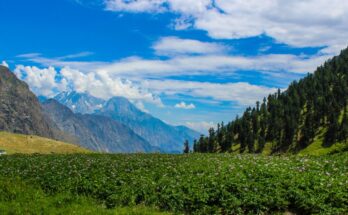
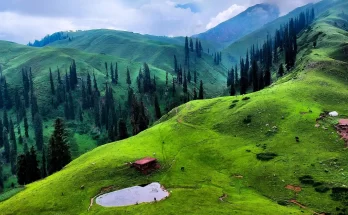
Hunza Valley is the place most people picture when they think of northern Pakistan: apricot orchards, 700-year-old forts, turquoise Attabad Lake and the jagged Passu Cones. This guide covers everything you need to plan a trip — how to get there from Islamabad, when to go, how many days you need, and what to see once you arrive.
Travelling from the UK or US? Read this first. As of September 2026, the UK Foreign Office (FCDO) advises against all travel on the Karakoram Highway between Mansehra and Chilas, and the US State Department rates Pakistan Level 3 (“Reconsider travel”) with all of Khyber Pakhtunkhwa at Level 4 (“Do not travel”). Both road routes to Hunza pass through these areas, so many Western visitors fly to Gilgit or Skardu instead. Travelling against official advice can invalidate your travel insurance — check the latest FCDO advice and US advisory before you book. See our guide: Is Pakistan Safe to Visit in 2026?
Hunza at a Glance
- Location: Gilgit-Baltistan, along the Karakoram Highway (KKH)
- Main town: Karimabad (Central Hunza)
- Distance from Islamabad: about 600 km by road
- Road time: roughly 14–18 hours — best split over two days
- Nearest airport: Gilgit, around 100 km (about 2 hours) from Karimabad
- Best time: April–May for blossoms, June–September for full access, October–early November for autumn colours
How to Reach Hunza from Islamabad
Option 1: Karakoram Highway (open all year)
The main route runs Islamabad → Hazara Motorway → Abbottabad → Mansehra → Thakot → Besham → Dasu → Chilas → Gilgit → Karimabad. It stays open year-round, though landslides can cause delays, especially in the Kohistan stretch during monsoon. Most travellers overnight in Chilas or, better, Gilgit, which leaves a short 2–3 hour scenic drive into Hunza the next morning.
Option 2: Naran – Babusar Top (summer only)
From roughly June to mid-October, you can go Islamabad → Balakot → Naran → Babusar Top → Chilas and rejoin the KKH. It is the more scenic route and lets you add a night in Naran, but Babusar Pass is snowbound for much of the year and its opening date changes every season, so check the latest road status before you leave.
Option 3: Bus
NATCO (the government operator) runs from Pir Wadhai, Rawalpindi to Gilgit, taking around 14–16 hours, with another 2–3 hours on to Hunza. Private operators such as Faisal Movers and Silk Line also serve Gilgit with air-conditioned coaches. Fares change often, so confirm the current price and departure times directly with the operator.
Option 4: Fly to Gilgit
The Islamabad–Gilgit flight takes about an hour and is one of the most scenic in the world, passing Nanga Parbat on a clear day. Flights operate under visual flight rules and are frequently delayed or cancelled due to weather, so keep a buffer day and don’t book a tight connection home.
Best Time to Visit Hunza
| Season | Months | What to expect |
|---|---|---|
| Spring | April – May | Cherry and apricot blossoms, cool weather, fewer crowds. Babusar is usually still closed. |
| Summer | June – August | Peak season. All roads open, warm days, busy hotels — book ahead around Eid and school holidays. |
| Autumn | September – early November | Golden poplars and clear skies. Many photographers’ favourite season. |
| Winter | December – March | Snow and very cold nights. Many hotels close; Khunjerab Pass is usually shut. Only for prepared travellers. |
Top Places to See in Hunza
1. Baltit Fort
Perched above Karimabad, this restored fort was the seat of the Mirs of Hunza for centuries. Guided tours explain the architecture and history, and the view over the valley toward Rakaposhi is worth the climb alone.
2. Altit Fort
Older than Baltit and set on a cliff above the Hunza River, Altit Fort sits beside the Royal Garden and the old Altit village — walk through the lanes after your visit.
3. Attabad Lake
Formed by a massive landslide in 2010, the lake’s electric-blue water is Hunza’s most photographed sight. Boating and jet-skiing are available at the main points, and there are lakeside cafés and hotels.
4. Passu Cones and the Hussaini Suspension Bridge
In Upper Hunza (Gojal), the cathedral-like Passu Cones dominate the skyline. Nearby, the Hussaini Suspension Bridge — rickety planks over the river — is a famous (and nerve-testing) stop.
5. Eagle’s Nest, Duikar
The best sunrise and sunset point in Hunza, with views of Rakaposhi, Ultar Sar, Lady Finger and Golden Peak. The final road is steep; a 4×4 or local jeep is recommended.
6. Khunjerab Pass
At about 4,700 m, Khunjerab is the Pakistan–China border and one of the highest paved border crossings in the world. It is a long day trip from Karimabad through Khunjerab National Park (entry fee charged). The pass is generally open only in the warmer months — check before going, and take it slow because of the altitude.
Sample 5-Day Hunza Itinerary
- Day 1: Islamabad → Chilas or Gilgit (via KKH, or via Naran/Babusar in summer).
- Day 2: Gilgit → Karimabad, stopping at Rakaposhi View Point. Evening walk in Karimabad bazaar.
- Day 3: Baltit Fort, Altit Fort, Eagle’s Nest for sunset.
- Day 4: Attabad Lake → Passu Cones → Hussaini Bridge → optional drive to Khunjerab.
- Day 5: Return toward Gilgit / Islamabad (or fly out of Gilgit, weather permitting).
With 7 days or more, add Nagar Valley (Hopper Glacier) or a short hike to Rush Lake or Ultar Meadows.
Practical Tips
- Mobile signal: SCOM has the widest coverage in Gilgit-Baltistan; Zong and Telenor work in main towns but drop in remote areas.
- Cash: Carry enough cash — ATMs exist in Gilgit and Karimabad but can run out or go offline.
- Car choice: A normal car can manage the paved KKH; a 4×4 is needed for Duikar, Hopper and other off-road spots.
- Respect local culture: Hunza is conservative but very welcoming. Dress modestly and ask before photographing people.
- Keep buffer days: Landslides and flight cancellations are common — never plan a trip with zero spare time.
- Altitude: Drink water, avoid rushing to Khunjerab on day one, and descend if you feel unwell.
Also read: The Best Time to Visit the Northern Areas: A Seasonal Guide.
Frequently Asked Questions
How many days are enough for Hunza?
Five days from Islamabad is the minimum to enjoy Hunza without rushing; seven days lets you add Nagar, Passu hikes or Khunjerab comfortably.
Is Hunza safe for tourists?
Hunza itself is widely regarded as one of the most peaceful and hospitable regions in Pakistan, and its everyday risks are mostly natural — landslides, weather and altitude. The bigger question for Western visitors is the journey: the UK FCDO advises against all travel on the Karakoram Highway between Mansehra and Chilas, so British travellers in particular usually fly to Gilgit. Foreign nationals may also be asked to register with local police in Gilgit-Baltistan. Always check the latest government advice before you go.
Can I visit Hunza in winter?
Yes, the KKH stays open, but it is very cold, many hotels close and Khunjerab Pass is usually shut. Winter suits travellers who want snow and solitude rather than sightseeing.
Which is better, by road or by air?
Flying saves a full day each way but is weather-dependent. Driving is reliable and the KKH journey is an experience in itself — many travellers fly one way and drive the other.
Last updated: October 2026. Road status, fares and opening dates change every season — confirm locally before you travel.