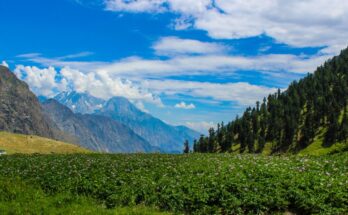
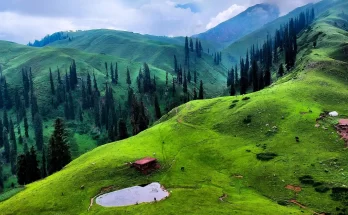
Hunza in October is a rewarding choice for travellers who want autumn colour, clearer mountain views and a quieter experience than the summer peak. The trade-off is colder evenings, shorter daylight and less predictable access to high-altitude stops. For most visitors, mid-to-late October offers the best chance of golden poplars and apricot trees, but the exact timing shifts each year with altitude and weather.
This seasonal guide is designed for visitors planning from the United States or United Kingdom as well as Pakistani and diaspora travellers. It focuses on what changes in October: route decisions, realistic packing, a flexible four-day plan, photography timing and the checks to make before leaving Islamabad.
Is October a good time to visit Hunza?
Yes—October can be one of the most photogenic and peaceful months in Hunza. Karimabad, Altit, Gulmit and nearby villages often develop strong yellow, orange and rust tones as orchard and poplar leaves turn. The air usually feels crisp, popular viewpoints are less crowded than in summer and hotel availability may improve after the peak season.
October is not the best month if your main goal is guaranteed access to every high pass or a tightly timed road trip. Mountain weather can change quickly, landslides may interrupt road travel and the seasonal Babusar Pass route can close when snow arrives. Build at least one buffer day into your plan and confirm road conditions shortly before departure.
When are the autumn colours strongest?
Autumn does not reach every part of Hunza on the same day. Higher and colder villages can turn before lower, warmer areas, while wind or early snowfall may shorten the brightest period. As a practical planning window, aim for the middle or later part of October if foliage is your priority, while treating any exact “peak colour” date as an estimate rather than a guarantee.
Good places to look for autumn colour include Karimabad and Altit, the Duikar and Eagle’s Nest area, Gulmit, Passu and the villages along the upper Hunza route. The best result usually comes from moving through different elevations instead of planning every photograph in one location.
What weather should you expect in Hunza in October?
October in Hunza often brings sunny daytime periods followed by sharply colder evenings. Conditions can feel comfortable in direct sun but change quickly in shade or after sunset. Upper Hunza and exposed viewpoints are colder than central Karimabad, and trips towards Khunjerab reach much higher altitude.
Pack for layers rather than relying on one heavy coat. A moisture-wicking base, warm mid-layer and wind-resistant outer shell are more flexible across the day. Add a warm hat, light gloves and proper walking shoes. If your hotel uses limited heating, warm sleepwear is worth carrying. Use our Pakistan packing list for US and UK travellers to check documents, medicines and electronics as well as clothing.
How to reach Hunza in October
Option 1: Fly to Gilgit
The fastest route is a domestic flight from Islamabad to Gilgit followed by a road transfer to Karimabad. Mountain flights depend on visibility, so cancellations and delays are possible. Do not place an international connection immediately after your planned return flight; keep a buffer day. Compare booking, baggage and disruption planning in our Pakistan domestic flights guide.
Option 2: Travel by the Karakoram Highway
The main road route connects Islamabad with Gilgit and Hunza through the Karakoram Highway. It is a long journey and is usually more comfortable when split with an overnight stop. Road conditions can change after rainfall, rockfall or maintenance, so ask your driver or hotel for a same-day update.
Do not assume Babusar Pass is open
The Naran–Babusar route is seasonal. In October it may be open early in the month or become unavailable after snow; the timing is different every year. Never build a fixed itinerary around Babusar without a verified local road update. Use the Karakoram Highway plan as the practical fallback.
For a full comparison of routes, buses, flights and travel times, use our complete Hunza Valley travel guide.
A flexible four-day October itinerary
Day 1: Arrive and explore Karimabad
Check in, take an easy walk through Karimabad bazaar and use the afternoon light for views across the valley. Avoid rushing to the highest viewpoints immediately after a long journey. Keep the first evening simple and confirm the next day’s weather and road conditions with your accommodation.
Day 2: Baltit, Altit and sunset above the valley
Visit Baltit Fort, then continue to Altit Fort and the old village lanes. These areas combine mountain history with orchard colour and are ideal for a slower day on foot. If the road is clear, finish around Duikar or Eagle’s Nest for sunset. Take warm layers because the temperature drops quickly after the sun leaves the valley.
Day 3: Attabad Lake, Gulmit and Passu
Drive into Upper Hunza, stopping at Attabad Lake, Gulmit and Passu. Autumn trees around village fields contrast with the rocky mountains and Passu Cones. If you visit the Hussaini Suspension Bridge, follow local safety instructions and do not treat it as a stunt location. Return before dark unless you have a trusted driver and a clear plan.
Day 4: Weather-dependent choice
Choose between another village and photography day, a short local walk or a longer excursion only if road and weather conditions are favourable. Khunjerab is a high-altitude day trip and may be extremely cold; availability should be checked locally. Travellers who prefer a relaxed pace can spend the day around Nagar, Hopper or central Hunza instead.
October packing checklist
- Layered clothing: base layer, fleece or sweater, and wind-resistant jacket
- Warm hat, light gloves and thick socks
- Comfortable shoes with grip for uneven village paths
- Sunglasses, sunscreen and lip balm; mountain sun can still be strong
- Reusable water bottle and a small daypack
- Power bank and offline copies of bookings and identity documents
- Save our Pakistan emergency numbers guide offline before travelling into mountain areas
- Cash for smaller businesses when card machines or ATMs are unavailable
- Basic personal medicines and any prescribed medication
- A rain cover or protective bag for cameras and electronics
Photography tips for autumn
Early morning and late afternoon give softer light and stronger separation between the warm foliage and cool mountain background. Midday can still work well at Attabad Lake, where light on the water is important. A polarising filter may reduce glare, but rotate it carefully because wide-angle lenses can produce uneven skies.
Ask before photographing local residents, private homes or people working in orchards. A respectful conversation often produces better images than taking pictures from a distance without permission. Do not enter fields or climb walls for a composition.
See a quick visual preview in our Hunza in October video, then use this page to plan the practical details.
Advice for US and UK travellers
Travel advice can affect both route choice and insurance. The United Kingdom’s Foreign, Commonwealth & Development Office publishes region-specific advice for Pakistan, while the US Department of State uses an advisory level and identifies higher-risk areas. Read the full wording—not only the headline level—because the land routes to northern Pakistan cross different jurisdictions.
Before booking, check the current UK FCDO Pakistan travel advice or the US State Department Pakistan travel advisory, then confirm what your insurer covers. For a plain-language breakdown, read our guide to Pakistan safety advice for UK and US visitors. US travellers can also use our USA-to-Pakistan planning guide for visa, flight and document checks.
Common October planning mistakes
- Planning a zero-buffer itinerary: flights and mountain roads are weather-dependent.
- Treating Babusar Pass as guaranteed: confirm its actual status close to departure.
- Packing only for daytime sun: evenings and high viewpoints are much colder.
- Expecting identical foliage everywhere: colour timing varies by elevation and year.
- Driving long mountain sections after dark: plan daylight arrivals where possible.
- Ignoring official advice or insurance wording: verify both before paying for non-refundable travel.
Frequently asked questions
Is Hunza crowded in October?
October is generally calmer than the main summer holiday period, although popular autumn weekends can still attract photographers and domestic tour groups. Booking central Karimabad accommodation in advance remains sensible.
Can I see snow in October?
Snow may be visible on surrounding peaks, and higher areas can receive early snowfall, but snow in Karimabad itself is not guaranteed. Plan for cold conditions without promising yourself a winter landscape.
Is Attabad Lake open in October?
The lake and main roadside viewpoints are generally accessible when the road is open, but individual boating or visitor services may change with weather and local operations. Confirm on arrival rather than relying on an old timetable.
Can I visit Khunjerab Pass in October?
Access depends on weather, road conditions and official operating arrangements. It is a long, high-altitude trip and should be treated as optional. Ask locally before departure and skip it if conditions are poor.
How many days do I need?
Four nights in or around Hunza gives enough time for central Hunza and a full Upper Hunza day without rushing. Add travel days separately and keep one buffer day if flights or long road transfers are involved.
Final planning note
Hunza in October rewards flexibility. Choose a realistic route, carry proper layers, move through different elevations for autumn colour and keep high-altitude excursions optional. Most importantly, recheck the weather, road situation, official travel advice and insurance conditions shortly before you go.
Last reviewed: 16 October 2026. Seasonal access and travel advice can change; verify the linked official sources and local road conditions before departure.